Key Takeaways
- FOB, CIF and DDP move the line between seller's costs and yours — the goods never change, the risk map does.
- FOB keeps forwarder choice with the buyer; control of the main carriage is control of cost, information and documents.
- CIF buys convenience, but the seller's forwarder sets destination charges — the cheap ocean quote can be recovered at the port.
- DDP means the seller carries import formalities — legitimate, but quote validity dies fast when duty layers move.
- Pair terms with payment milestones: balance against passed inspection and correct documents, whatever the term.
Three buyers order the same toy from the same factory. One pays the factory to the ship's rail, one to the destination port, one to the warehouse door. The toys are identical; the risk maps are not. The difference is three letters on a quotation, and buyers who treat those letters as boilerplate usually learn the vocabulary during their most expensive shipment.
This article walks the three terms that cover most pet toy trade — FOB, CIF and DDP under Incoterms 2020 — as they behave in practice rather than in the textbook: who books what, where costs hide, and how each term should shape your payment terms.
The Responsibility Map
Incoterms allocate ten obligations between seller and buyer. For the three terms that matter most in this category, the split reduces to this:
| Stage | FOB | CIF | DDP |
|---|---|---|---|
| Export packing and customs | Seller | Seller | Seller |
| Main carriage | Buyer books and pays | Seller books and pays | Seller books and pays |
| Insurance | Buyer's option | Seller, minimum cover | Seller's discretion |
| Import clearance and duty | Buyer | Buyer | Seller |
| Risk transfers | On board, origin port | On board, origin port | At the named destination |
| Forwarder choice | Buyer's | Seller's | Seller's |
Read the risk row twice: under CIF, cost extends to destination but risk already transfers when the goods go on board at origin. Many buyers assume the seller "owns" the shipment until the port of discharge; the standard says otherwise. The table also shows why the forwarder-choice row matters more than it looks — whoever holds it holds the information loop for the whole shipment.
FOB in Practice: Control of the Main Carriage
Experienced importers gravitate to FOB for one reason: the main carriage is theirs. Your forwarder quotes the ocean leg at rates you can audit, hands you the bill of lading your customs broker actually wants, and tells you the truth about destination charges before they appear on an invoice. Under FOB the seller's obligations end cleanly at the origin port: export clearance done, goods on board, risk yours from the rail.
The management cost is real but small: you choose a forwarder, give the supplier the booking details, and read one more set of documents. In exchange you see the freight market as it is, not as a markup. For bulky light cargo like plush, where mode choice and consolidation strategy move real money, that visibility is worth more than any discount squeezed out of the unit price. The habit worth forming early: send your forwarder's booking details to the supplier the day the order confirms, so the factory's schedule and your vessel share one calendar.
CIF: Convenient, With a Meter Running
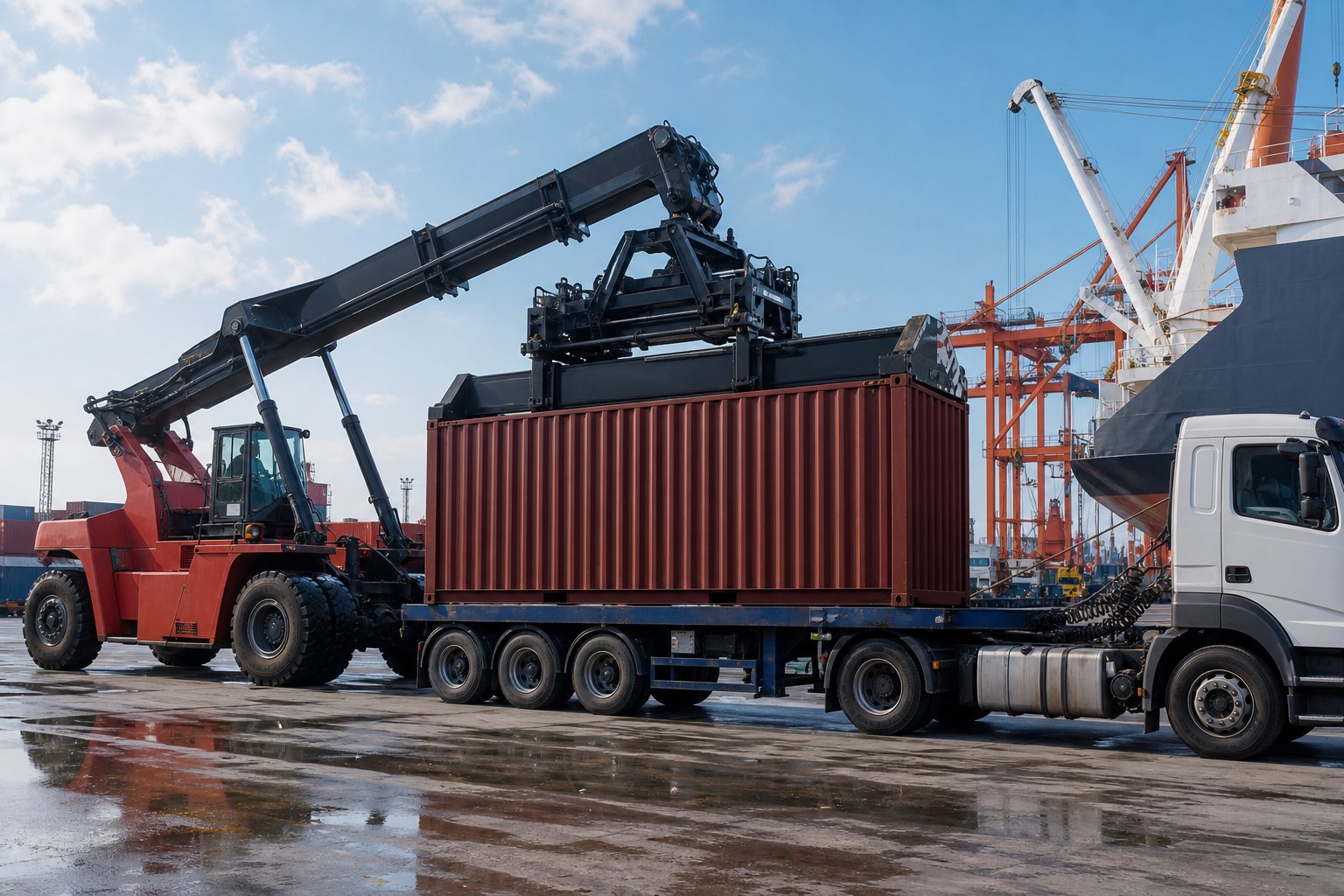
CIF bundles ocean freight and minimum insurance into the seller's scope, which is genuinely useful for a first shipment when you have no forwarder in the destination country. The trade is control. The seller books with its own forwarder, and that forwarder issues the destination charges — documentation fees, handling, delivery order — which in some ports are set generously toward the local agent. A cheap-looking ocean rate can quietly return as an expensive arrival.
CIF is not a trap; it is a meter. Ask for the destination charge schedule before confirming the booking, compare it with your forwarder's benchmark, and remember that the insurance bundled in is the minimum statutory cover — real coverage for a container of consumer goods is a separate conversation. None of this makes CIF wrong for small, occasional shipments — it makes it a rental, and rentals are fine when you know the meter is running.
DDP: Comfort Priced and Volatile
Delivered Duty Paid hands the seller the entire journey: export, carriage, insurance by its own judgment, import clearance and duty, delivery to your door. For buyers without import infrastructure — a new DTC brand, a marketplace seller without a customs broker — DDP looks like the only sane option, and sometimes it is.
Two hazards deserve respect. First, volatility: a DDP price is a forecast of freight, currency and duty wrapped in one number, and when tariff layers move, the number goes stale in weeks. DDP quotes should carry a written validity and a re-quote trigger. Second, declaration games: when a DDP price sits far below the sum of its visible parts, ask who declares the goods at import and at what value. Undervalued declarations can save cents today and cost the importer of record — in most setups, that is you — far more at an audit. Duty classification feeds this entire conversation; the basics live in HS codes for pet toys. A good DDP clause names the presumed duty basis and re-opens the quote if it moves beyond a band.
Pairing Terms with Payment and Paper
The Incoterm and the payment term are separate contracts of convenience, but they should be designed together. Under FOB, the natural rhythm is deposit at order, balance against a passed inspection and a copy set of shipping documents — you control the carriage, so the documents arrive from your own forwarder. Under CIF, add the destination charge schedule to the pre-payment checklist. Under DDP, hold a retention until goods are actually delivered and import entry is confirmed, not merely shipped.
One discipline covers all three: ask every supplier to quote FOB as the comparison baseline, even when you intend to buy DDP. FOB is the only number the whole market prices identically; without it, every "all-in" quote is a black box with a bow on top. The payment structures themselves — deposits, balances and escalation for repeat buyers — are laid out in payment terms with Chinese toy suppliers.

Term choice also changes by channel model: dropship programs live almost entirely in DDP-style parcel lanes, while wholesale import runs FCL under FOB. How the two models compare is mapped in our channel programs overview.
Frequently Asked Questions
FAQ
Which Incoterm should a first order use?
Is CIF safer than FOB because the seller arranges shipping?
Why do DDP quotes vary so much between suppliers?
Who should choose the freight forwarder?
Want the term and the paperwork to match?
Send your destination and order structure — we will quote FOB, CIF and DDP side by side, with what each assumes written out.